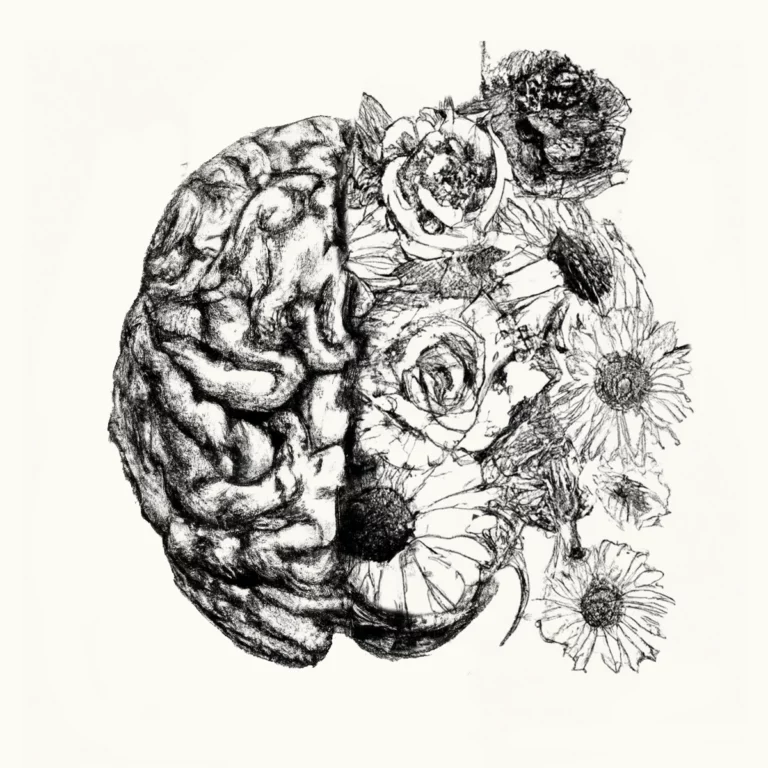

I can sense the tension in my asana practice, mirroring the resistance of my sitting in the same room as my mother. Witnessing her lying in bed, wriggled with dementia, her brain is literally being eating away from the inside. This will be what kills her. I can see the now less subtle shifts, more distinctly now, her thinking so disorganized, her memory a Swiss cheese like experience, where I stand on the side of her words, trying to find places where I can jump into the conversation trying not to fall into the abyss of her repeating herself. And, I have to hold in my heart that she and I are both in this moment. I have to hold us both with compassion, because this is where we are, together.
This is the moment. This is it.
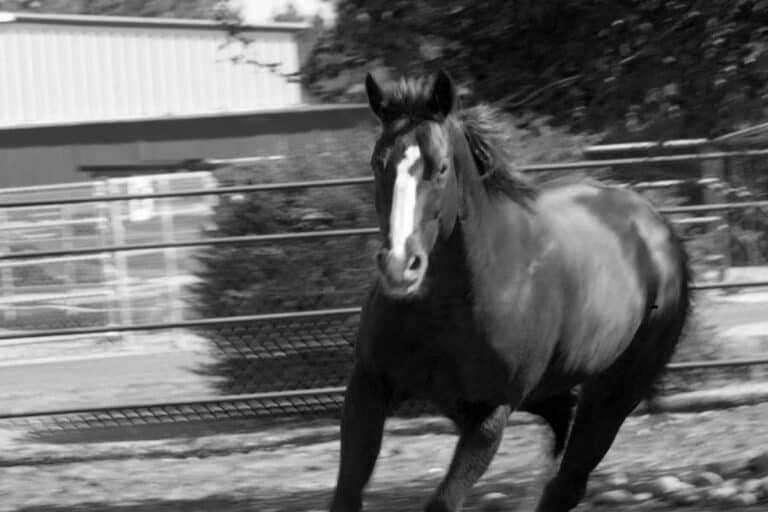
As I rest on the ground, the yoga mat below me, mapping my little part of the space around me, I feel an overwhelming sense of gratitude as I reflect on my mother’s invitation, when she was a young sixty-five, to attend a yoga class with her. Now Thirty years later, my path as a yogi, rooted itself in and grew from the depths of that invitation. Next to giving me life and horses, yoga was one of the greatest gifts that she ever gave me.
And, do I need it now, more than ever.
I can feel the tension underneath my awareness of my Supta Vrksasana (Reclined Tree) my left arm supported by the floor beneath me, my right foot placed against my left calf. Simple enough. And there it is, the wanting to get out of it.
There’s something underneath there that is painful, albeit subtle. And my mind wants to observe it, to find a way to even move or shift, either in thought or action. And that’s the place to be in, for the depths of what’s under there to show itself. For me to show myself, to me. The asana, the pose, isn’t the work, it’s what is under the pose, and what it reveals. Being with that, is key.
As a trauma therapist, I also know this. I also bring in the awareness, that for coping with distress, there is a time and place for the observation of one’s experience, for trying to let it go, and move past it. Letting the “next thing” come. It’s the mindfulness practice, of course. It can help with the distress and management of what comes up. It’s a critical skill.
However, as a DBR Consultant, I also understand that for those learning DBR, there’s also a not so subtle, albeit tricky nuance where observing can be occurring, but still confused with the processing of being fully present in the experience and sensations that arise. And, for DBR therapists, this nuance can be challenging. For both the client and the therapist in the room, there can still be an element of distancing oneself from the experience, as opposed to being with it. The client, and therapist, both get “above” the experience, as if to merely observe it, as a distancing, a separateness. Certainly, there is a time and place for that, to help manage distress in between, to help with overwhelm. But, when we are in the DBR sequence there’s still a different “feel” as we say in the world of horsemanship. It’s an experience, of not doing.
As a yogi, when I am in my asana practice (the postures), and I sense that I want to get “out” of the posture, to get ahead of it, to move past where I am, to jump forward in the sequence, that’s me not just letting it be there. Whatever the sensation is right now, perhaps I want to get out of it, unconsciously even, but with an impulse to action, and whether it be a subtle tension, an activation to distract, a full on physical action, or even just a movement of the mind, what in Yoga we call Vritti, the key is sensing there is something there, even if subtle, perhaps a fraction before it that my system wants to shift away from being with. That’s the healing space.
And this, to me, is the nuance of DBR, and what yoga brings to me as a I support other DBR therapists in their confidence with DBR. The being with is not an action, it just is. Again, that’s the work. Ironically, it’s also not the work of doing, either for the client, or the therapist, both of whom may have an inclination to, again, come from that place of Vritti. Our practice as DBR therapists is to noticing the fluctuations, and getting under them.
Being. And this is also my reminder, as I reflect on my mother’s face, as she declines in front of me, her source of vitality dimming, her light fading. The reality that I am facing, that she is facing, and the sensations underneath, the pain itself, which just gets to be there, until it moves in its own way, and its own time, and without me, us, trying to “do” anything to make it different than it is. Now.